What to Do After a Car Accident: 8 Steps That Protect Your Health and Your Claim
-
ByLeah Wise

A car accident can turn a normal drive into a blur of adrenaline, twisted metal, and decisions that carry weight and can affect your life for months, or even years to come. Texas drivers reported a crash every 57 seconds in 2024, and those wrecks left 251,977 people injured statewide, according to the Texas Department of Transportation.
At Leah Wise Law Firm, our experienced Pharr car accident lawyers walk clients through these steps all the time, and this guide covers what to do after a car accident in Texas, from the scene to the moment you decide whether to call a lawyer.
1. Stop, Check for Injuries, and Call 911
Texas law requires drivers involved in a crash to stop at the scene and stay until they exchange information. A driver who leaves before that happens, especially when someone is hurt, can face criminal charges on top of civil liability.
Check yourself and your passengers for injuries first, then check on the other driver if it's safe to do so. Call 911 immediately if anyone is hurt, if a vehicle can't be driven, or if you're simply unsure how serious the damage is. If your car still runs and staying put would block traffic, move it to the shoulder or a nearby lot once you confirm everyone's condition.
2. Report the Crash the Right Way
Texas has a specific dollar threshold that determines whether you must report a crash, and knowing it prevents you from either skipping a required report or wasting time on one you don't need.
When a Police Report Is Required
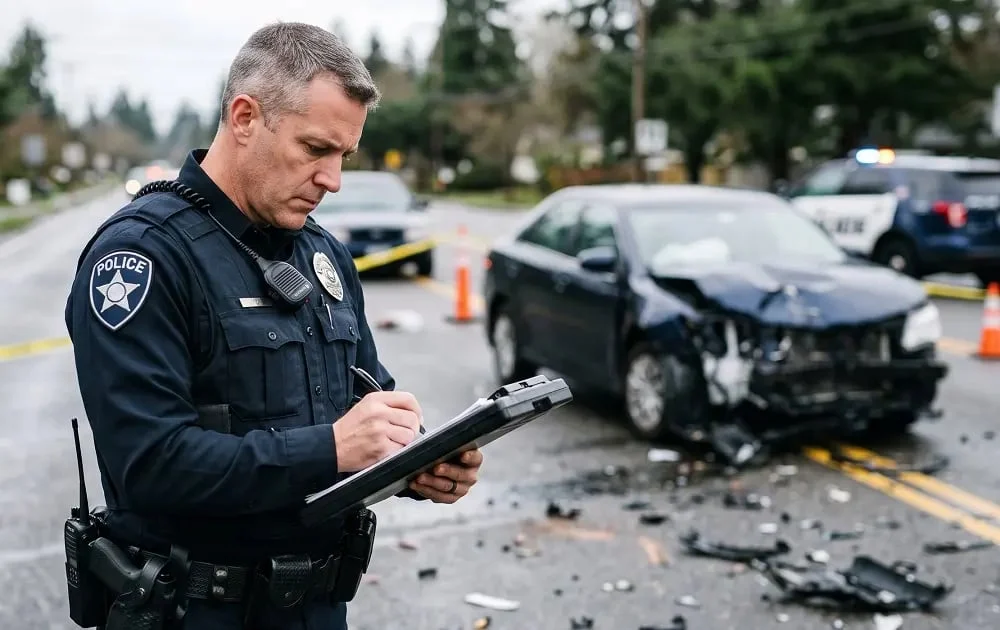
Under Texas Transportation Code Chapter 550, any crash involving injury, death, or property damage of $1,000 or more must be reported to law enforcement. Once an officer investigates, they file a written report, known as a CR-3, typically within 10 days of the crash.
If No Officer Comes to the Scene
Some officers decline to respond to minor crashes with no visible injuries. Texas previously required drivers to self-report these crashes on a form called the CR-2, but TxDOT stopped accepting and retaining that form in 2017. You're no longer required to file it, though writing down the details yourself and exchanging insurance information still protects you if the other driver later disputes what happened.
3. Document the Scene Like Your Claim Depends On It
Evidence from the scene fades fast once vehicles get towed and the road reopens to traffic. A few minutes with your phone camera can make the difference between a claim insurers accept and one they fight.
- Exchange information with the other driver: Full name, phone number, insurance company and policy number, and license plate number.
- Photograph everything: Vehicle damage, license plates, skid marks, road conditions, traffic signals, and any visible injuries.
- Get witness contact information: From anyone who saw the crash happen, including passengers in other vehicles.
- Write down what you remember: While it's fresh, including the time, weather, and how the collision occurred.
- Save your own records: Of towing receipts, rideshare costs, and rental car expenses tied to the accident.
Stay aware of moving traffic while you gather this information, and step back onto the shoulder or sidewalk between shots if cars are still passing close to the scene.
4. Get Checked Out, Even If You Feel Fine
Adrenaline masks pain for hours after a crash, which is why plenty of people decline treatment at the scene and regret it days later. Whiplash, concussions, and soft tissue injuries often don't produce symptoms until the swelling sets in or the adrenaline wears off.
A same-day or next-day medical visit does two things at once: it catches injuries before they get worse, and it creates a medical record tying your symptoms directly to the crash. Gaps between the accident date and your first visit give insurance adjusters an opening to argue your injuries came from somewhere else.
#cta_start
You Don't Have to Face the Insurance Company Alone
Our Pharr car accident team can take over communication with the adjuster and flag anything already said that could affect your claim.
#cta_end
5. Watch What You Say to Insurance Companies
Insurance adjusters are trained to gather statements that limit what their company has to pay. What you say, and to whom, matters from the first phone call.
Notify Your Own Insurer with Just the Facts
Most policies require prompt notice of an accident, so call your own insurer soon after the crash. Stick to basic facts: when and where it happened, and that you're seeking medical evaluation. Avoid guessing about speed, distance, or the extent of your injuries before a doctor has weighed in.
Skip the Recorded Statement for the Other Driver's Insurer
You aren't required to give a recorded statement to the at-fault driver's insurance company, and doing so before speaking with an attorney rarely works in your favor. Adjusters use these statements to look for inconsistencies or offhand comments that can be used to reduce or deny your claim later.
6. Know the Texas Rules That Shape Your Claim

A handful of state rules determine how much time you have, how fault gets divided, and whether your own coverage will need to fill the gap.
The Two-Year Filing Deadline
Under Texas Civil Practice and Remedies Code Section 16.003, the deadline to file a personal injury lawsuit is generally 2 years from the date of the crash. A missed deadline typically ends your ability to recover compensation through the courts, even for a valid claim.
Texas's 51% Fault Rule
Texas follows a proportionate responsibility system under Chapter 33 of the Civil Practice and Remedies Code. If you're found 50% or less at fault, your compensation gets reduced by your share of the blame. If you're found more than 50% at fault, you can't recover anything from the other driver.
Insurance Minimums Rarely Cover Serious Crashes
Texas requires drivers to carry at least $30,000 in bodily injury coverage per person, $60,000 per accident, and $25,000 in property damage coverage, according to the Texas Department of Insurance. Those limits often fall short in a crash involving surgery, hospitalization, or lost income, which is why uninsured and underinsured motorist coverage matters for your own policy.
7. Mistakes That Can Shrink Your Claim
Small missteps in the days after a crash can cost real money later. Watch for these common pitfalls:
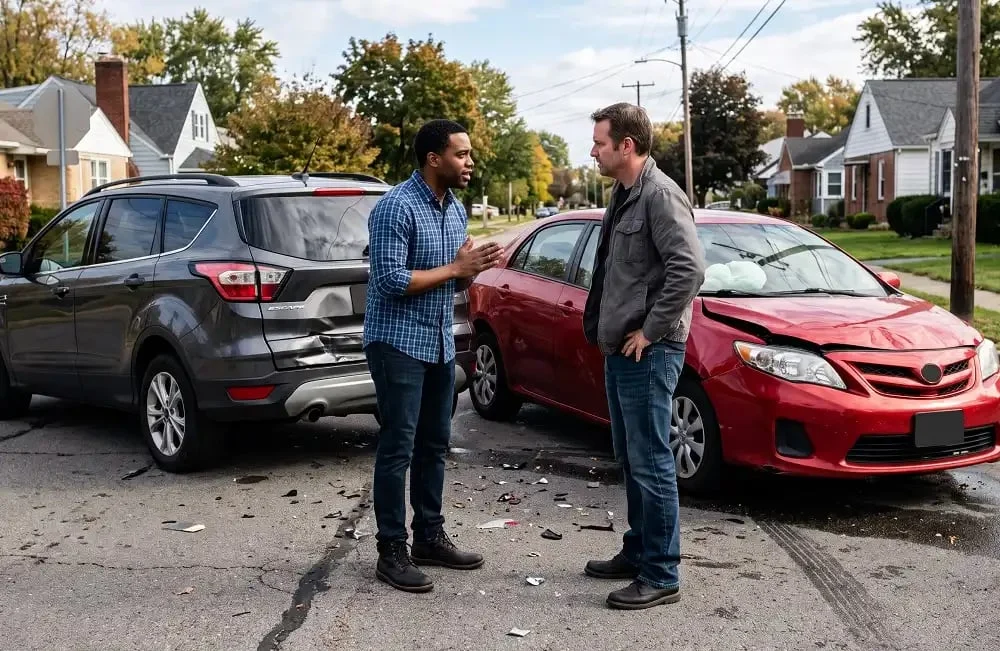
- Apologizing at the scene. A simple "I'm sorry" can get used as an admission of fault, even when you meant it as basic concern for the other person.
- Posting about the crash on social media. Insurance company defense attorneys, adjusters, and investigators regularly review public posts for anything that contradicts an injury claim.
- Accepting a fast settlement offer. Early offers usually arrive before your medical treatment is finished and your full losses are known.
- Skipping follow-up medical care. Gaps in treatment give adjusters a reason to argue your injuries weren't serious.
- Waiting months to get legal help. Video footage, event data recorder logs, and witness memories all fade quickly.
8. When to Call a Car Accident Lawyer
Not every fender bender needs a lawyer, but certain situations call for one right away. Reach out if you or a passenger suffered a serious injury, if the other driver's insurer disputes fault, if a commercial vehicle or rideshare driver was involved, or if you're dealing with an uninsured or underinsured driver. Claims involving a delivery truck, an 18-wheeler, or a company vehicle often involve more than one insurance policy, which makes the process harder to sort out on your own.
Talk to Us Before You Talk to Insurance
The steps you take after a car accident protect more than your health. They protect your right to full compensation for medical bills, lost wages, and the toll a crash takes on daily life long after the vehicle gets repaired. Insurance adjusters look for any opening to reduce what they owe, and one early phone call or a fast settlement offer can shrink a claim before you know what it's really worth.
Leah Wise Law Firm has recovered more than $100 million for injured clients across Texas, and our skilled team uses our advanced knowledge to review every detail of your case before an insurance company gets the chance to undervalue it. You pay nothing unless we win, so contact us today.
Frequently Asked Questions
#faq_start
Who pays my medical bills right after a car accident?
If your policy includes Personal Injury Protection, it pays your medical bills, a portion of lost income, and related costs regardless of fault, according to the Texas Office of Public Insurance Counsel. Insurers must offer PIP coverage on every Texas auto policy, and you have to reject it in writing if you don't want it.
What should I do if the accident happened in a parking lot?
The same steps apply: check for injuries, exchange information, and take photos of the damage and the surrounding area. Many parking lot crashes fall below the $1,000 damage threshold for a mandatory police report, but documenting the scene still protects your insurance claim.
Do I have to talk to the other driver's insurance company?
No. You're required to notify your own insurer, but you can decline to give a statement to the other driver's insurance company until you've spoken with an attorney. Politely tell them your attorney will handle communication going forward.
What if the other driver leaves the scene?
Write down everything you remember about the vehicle and driver, including a partial license plate, and call the police immediately to file a hit-and-run report. Your own uninsured motorist coverage can often step in to cover your losses if the at-fault driver is never identified.
Will my insurance rates go up if the accident wasn't my fault?
Rates are less likely to increase when you're not at fault, since Texas insurers rely on police reports and evidence to assign responsibility. If the other driver's insurance accepts liability, your own policy typically isn't charged for the claim.
#faq_end

Dedicated to your recovery. Your trusted legal partner in personal injury cases.